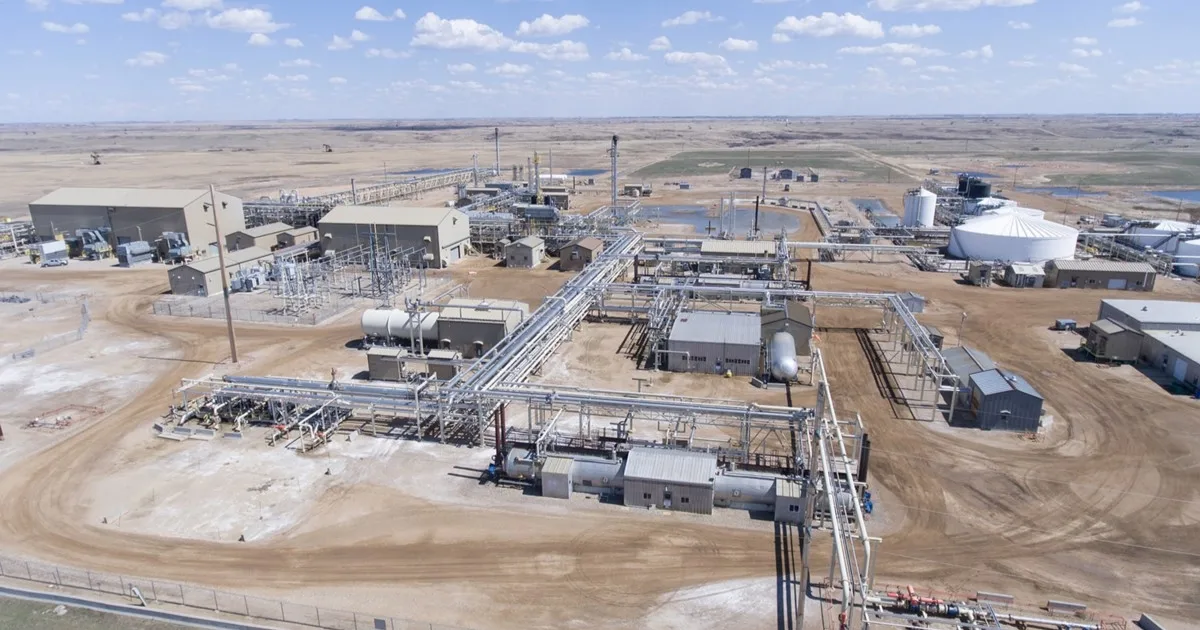







Three screens from a live project: the cost board, the variance analysis, and the change order sign-off.
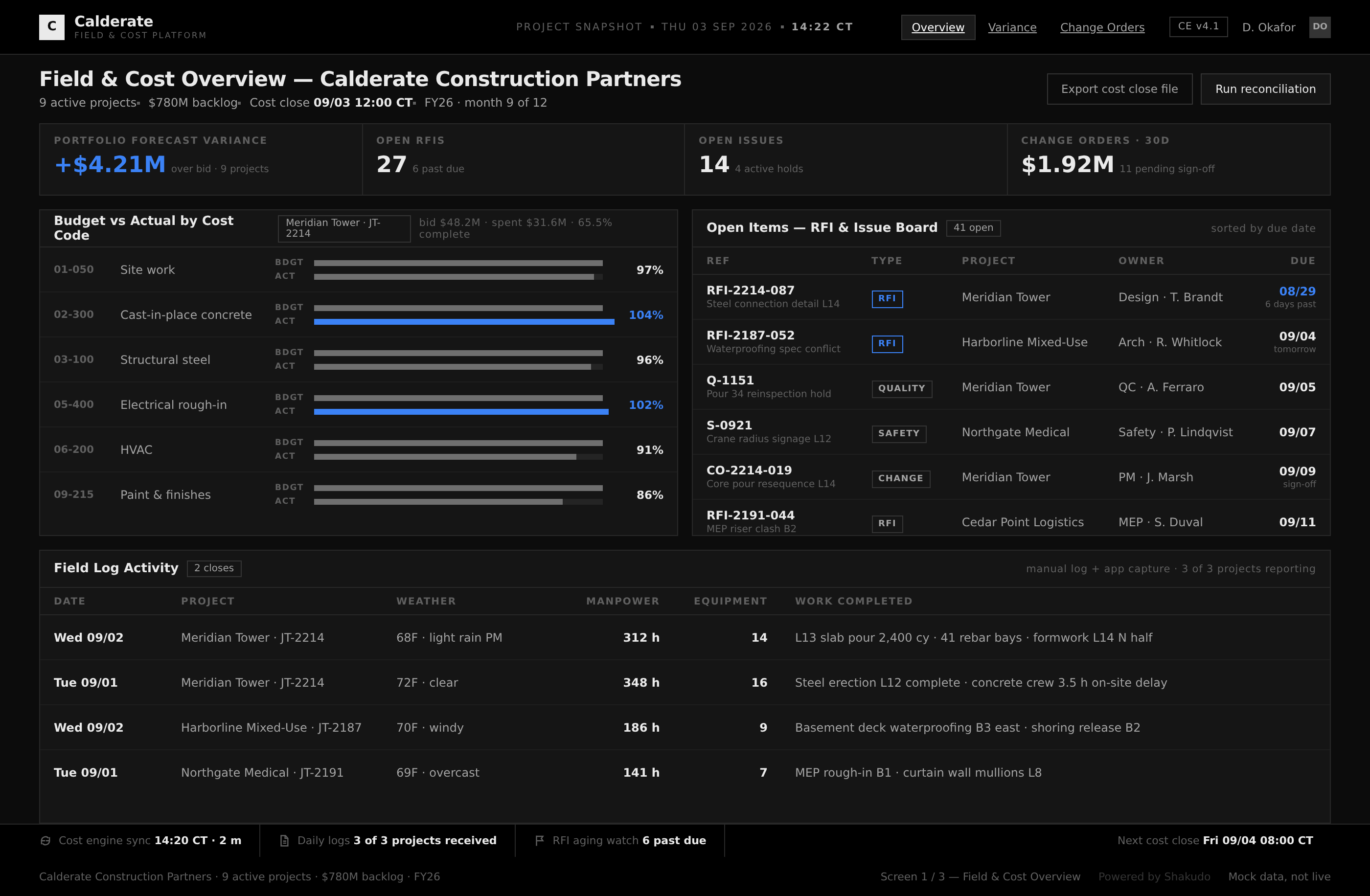
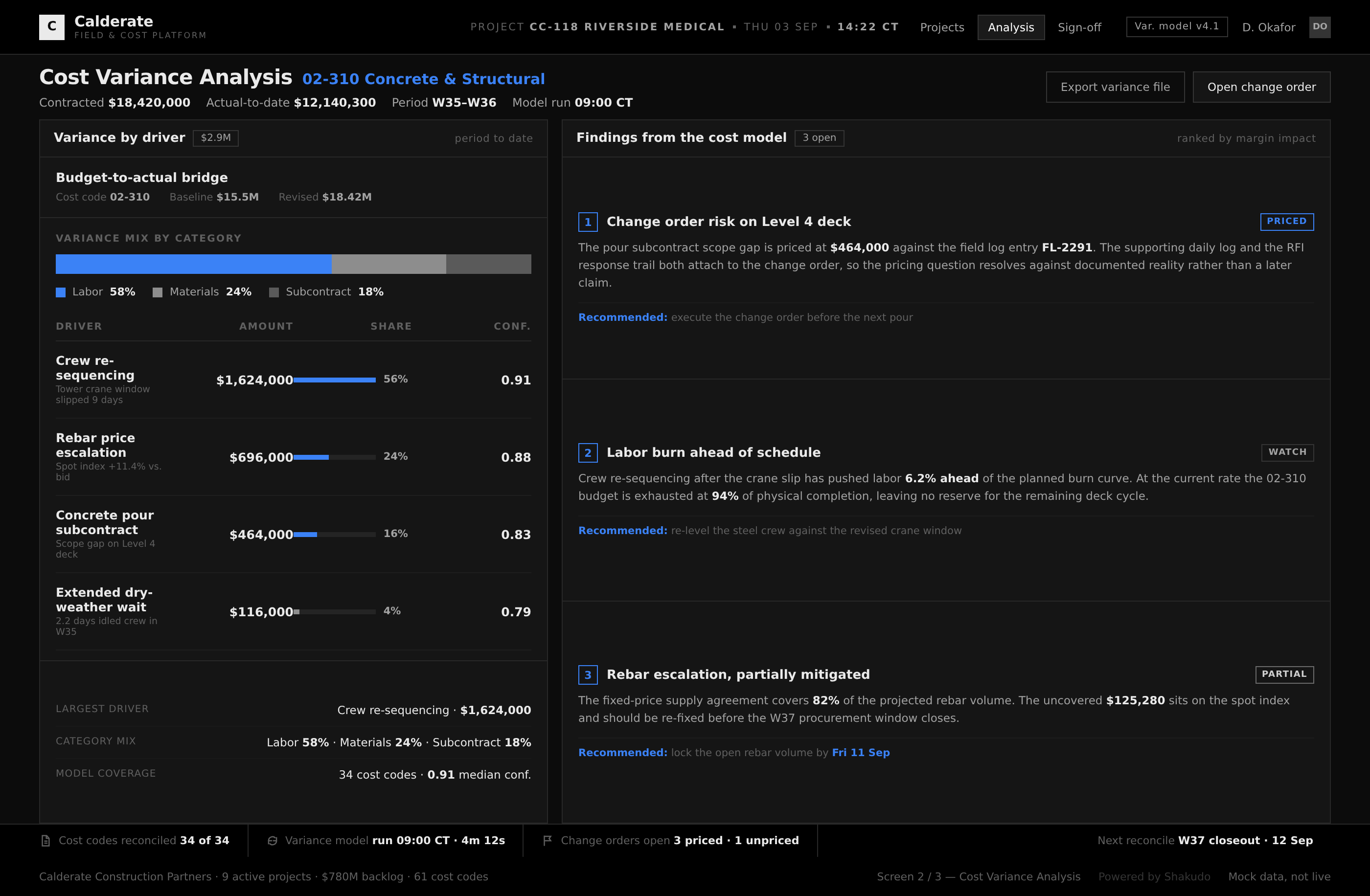
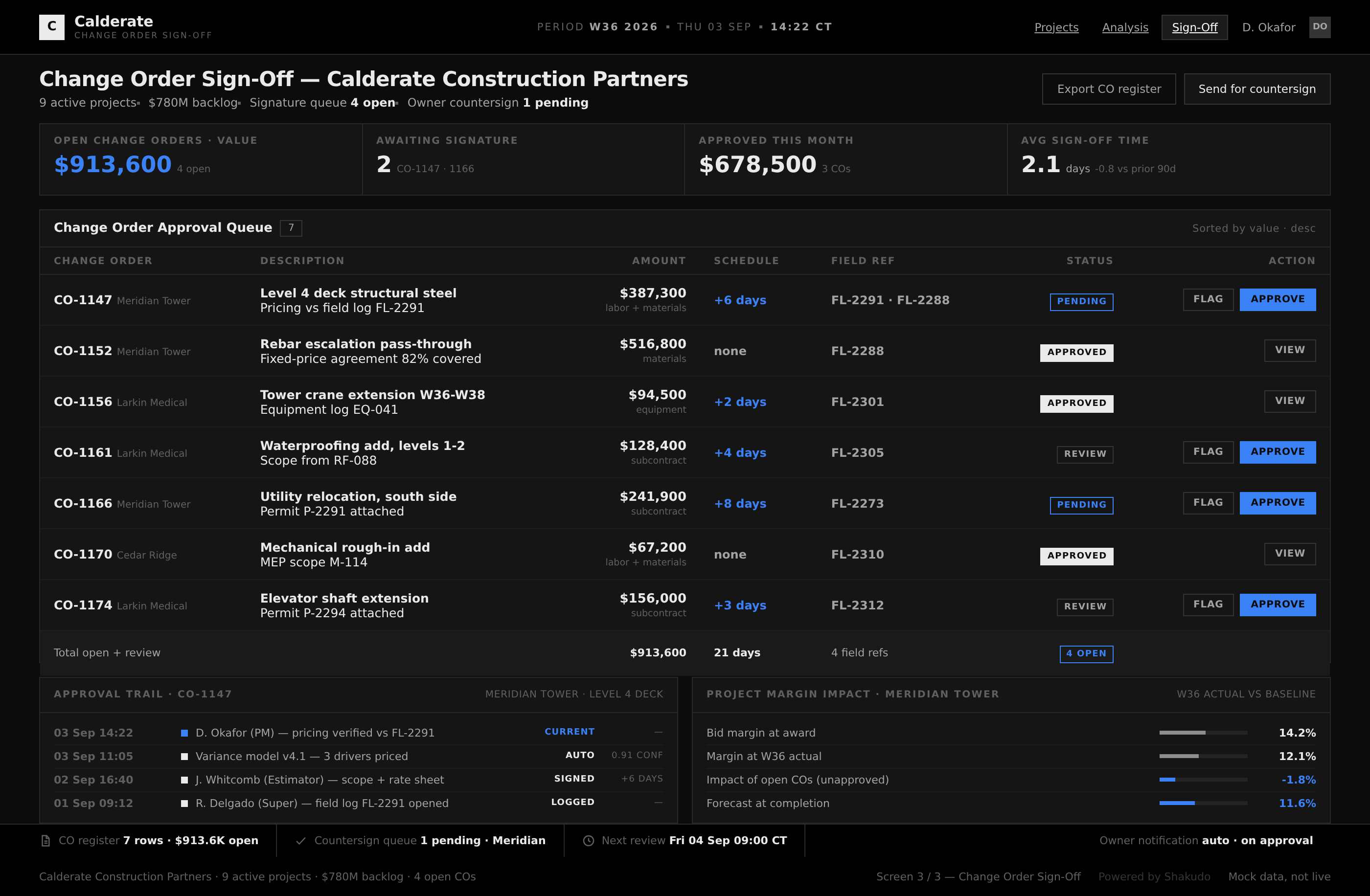
1–2 / 3
Commercial construction projects lose money in the gap between the field and the back office. An RFI that waits three days in an inbox idles a crew. A punch list on paper never reaches the cost sheet. By closeout, the overrun is a settled fact, not a warning a manager could have acted on. Construction field cost management exists to close that gap: field data and cost data on one platform, reconciled while there is still time to act.
At portfolio scale the gap compounds. RFIs, quality holds, and change orders each carry a dollar value, and none of it lands in the cost model until weeks later, if at all. The teams that fix this treat the project record as a single system: what happens in the field changes the budget picture the same day.
Most construction cost control runs on a stack of disconnected tools: email and chat for RFIs, paper or shared drives for punch lists, daily reports that take hours to compile, and a cost spreadsheet that refreshes monthly. Each handoff loses information. An RFI response arrives in a thread nobody archives. A change order is priced from memory. A rework instruction never gets coded to a cost line.
The result is predictable. Projects report on schedule and on budget through the middle, then variance appears in the final months when the only options are to absorb it or renegotiate. Superintendents spend evenings reconstructing what happened on site. Project managers spend the week after closeout explaining why the actuals differ from the plan. The data existed all along. It just lived in the wrong places.
The platform gives every project a single record. RFIs, quality and safety issues, daily logs, commitments, change orders, and invoices all reference the same project, the same cost codes, and the same timeline. It delivers:
Project executives see aging RFIs and open issues across the portfolio before they become schedule risk. Project managers see cost variance while there is still time to act. Every record is defensible: it settles disputes, supports claims, and gives owners confidence without extra administrative headcount.
Shakudo deploys the platform inside the contractor's own environment, configured around the projects, cost codes, and approval workflows already in use. Field data enters the record through the workflows people already follow: an RFI raised on site routes to the ball-in-court owner with a due date, a quality issue is assigned to a subcontractor, and the daily log closes out each day with weather, manpower, and work completed.
On the cost side, every commitment, change order, and invoice reconciles against the budget by cost code. The change-order lifecycle, from potential change to executed change, lives in the same system as the field data that justifies it, so pricing questions resolve against documented reality. Reports, dashboards, and exports feed the tools the project team already uses. A first working pipeline, connecting one active project's field data to its cost sheet, is in place within days of deployment.
Off-the-shelf construction software assumes your projects fit its shape: its cost codes, its approval chains, its data model. When the work does not fit, teams keep the system of record elsewhere and treat the software as another form to fill in.
With an in-house platform, the system is built around the contractor's own projects and stays under its own data governance. Project records, subcontractor pricing, and client terms never leave infrastructure the contractor controls. The platform is also a real platform: the workflows, cost models, and reports keep running after the engagement that built it ends, and the in-house team can operate and extend it independently.
The platform serves general contractors and construction managers running multiple commercial projects, where field coordination and cost control are measured in portfolio terms. Project executives use the portfolio view for aging RFIs, open issues, and cost variance. Superintendents and project engineers use the field workflows for RFIs, quality and safety issues, and daily logs. Project managers use the cost model for budget-versus-actual tracking, change-order pricing, and closeout. It is also the build-versus-buy alternative to per-seat construction software: if your cost structure, subcontracting model, or reporting is specific enough that a generic product falls short, an in-house platform is the durable option.
By reconciling costs against the budget with every transaction, not at month-end. Each commitment, change order, and invoice updates the cost model the day it is recorded, so variance by cost code is current. When the field data that justifies a cost, like an RFI response or a rework instruction, lives in the same record, the numbers hold up when they are questioned.
A common data environment is one project record that the whole team works from: RFIs, issues, daily logs, and cost data all reference the same project, cost codes, and timeline. It removes the handoffs where information is lost between the field and the back office, and it gives every stakeholder the same version of what happened on site and what it cost.
A first working pipeline, connecting one active project's field workflows to its cost sheet, is in place within days. The platform is deployed inside the contractor's own environment and configured around the cost codes and approval workflows already in use, so crews log into a system that matches how they already work rather than a new one to learn.
Yes. The platform runs on infrastructure the contractor controls, whether on-premises or in the contractor's own cloud. Project records, subcontractor pricing, and client terms never leave that environment, and data governance stays under the contractor's own policies. That is a core reason contractors choose an in-house platform over a SaaS seat.
When the goal is field data and cost data on one record, a conversation with Shakudo is the fastest way to see it on your own project data. The platform runs inside the contractor's own environment, and a first working pipeline is in place within days. Book a demo and scope field and cost management for your projects.
A construction operating platform where RFI workflows, quality and safety issues, daily field logs, and budget-versus-actual cost control draw from the same project records. Field data reaches the cost sheet the same day it is created, so variance is caught while there is still time to act.








"What drew me in is simple. When developers ship production-ready code this quickly, how can I have environments spun up fast enough? Shakudo is how we close that gap."


"Shakudo does not just provide the platform. It is a real partnership. They are always there to help and execute our vision faster and the right way. It is like a co-team working together to achieve our goals."